How do you choose a wool duvet insert?
Updated .
By the sellers' figures, a full/queen wool duvet insert holds about 3 to 7 pounds of wool. Holy Lamb Organics, one US maker, sells its full/queen comforter in three fill weights across that range (Eco Carmel). The product name seldom tells you where in that range you are buying. This page turns what sellers state into one figure you can compare, ounces of wool per square yard. It then sets out what the sleep research does and does not support.
Short answer: Choose a wool duvet insert by its fill weight, not by the word in the product name. Convert every figure to ounces of wool per square yard. About 6 oz suits warm rooms and people who run hot. Around 10 to 13 oz suits most bedrooms, and more than that is a winter weight. Then check three more things: the fiber split on the label, whether it can go in a washer, and whether the seller takes returns. At least one US maker does not.
This guide is for: people in the United States choosing a wool comforter or wool duvet insert for a twin, full/queen or king bed who want to compare sellers on what they state rather than on how they describe it.
Key Takeaways
- Compare ounces per square yard, not weight names. On the pages we read, the warmer and year-round inserts stated 10 to 13 oz of wool per square yard. Two of the six pages gave no fill weight.
- The sleep evidence is small. The main trial that tested wool bedding directly enrolled 17 young adults and found no bedding effect. The widely repeated result that people fell asleep in 12 minutes, against 22 and 27, came from a study of sleepwear, not duvets.
- Read the fiber line before you pay. The FTC allows no tolerance on a claim of 100% wool. A blend such as 85% wool and 15% plant batting has to say so, and that blend changes how you can wash it.
On This Page
Each section opens with a one-line answer. The detail and sources follow it, and the common questions come at the end.
What is a wool duvet insert, and is it the same as a wool comforter?
A wool duvet insert is a cotton shell filled with wool batting that sits inside a cover. Sellers call the same item a comforter.
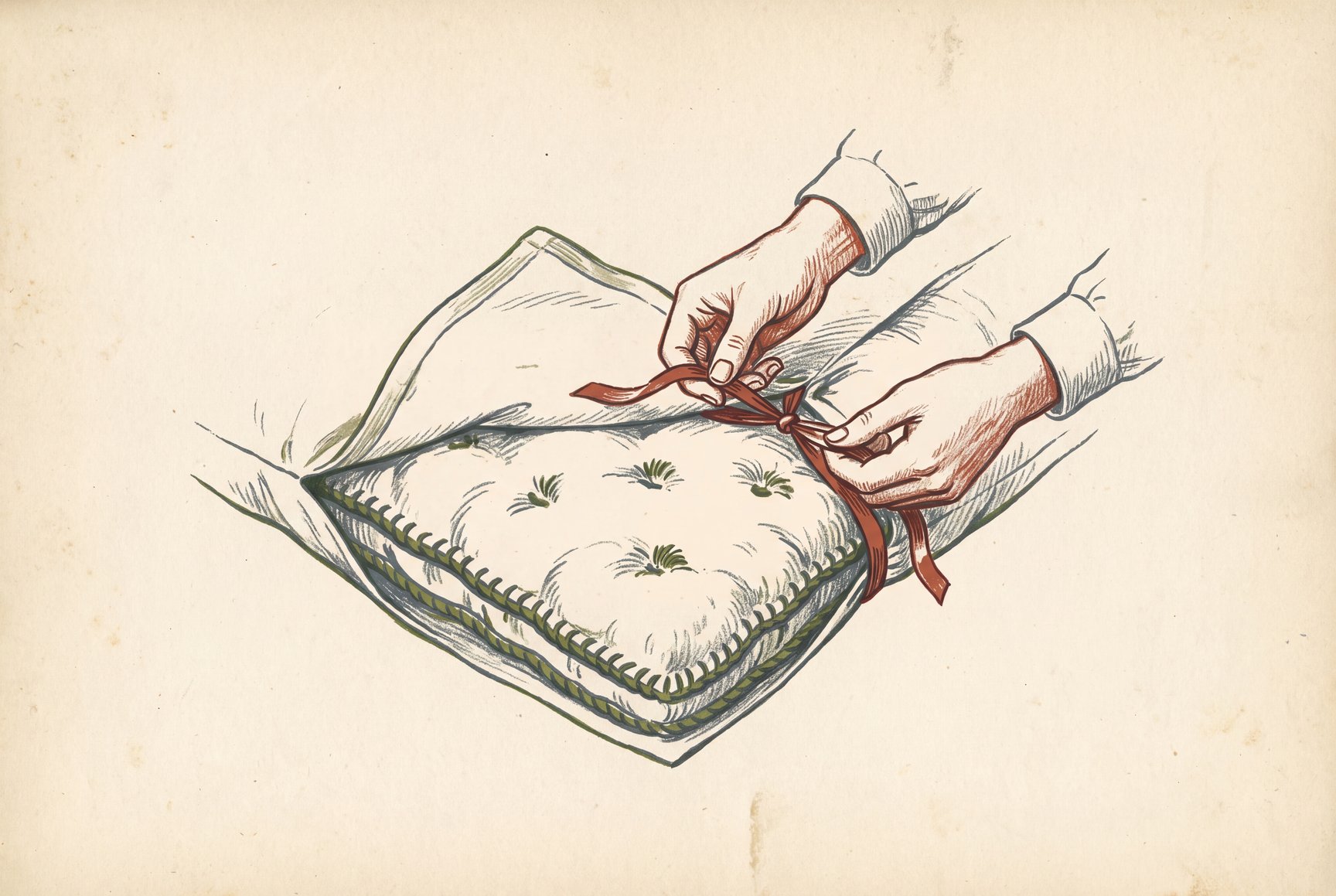
US shops use 3 names for one object: a cotton shell holding layers of wool batting, stitched through so the wool stays put. The name on the page says nothing about how warm the insert is. Inserts differ in how much wool is inside, what kind of wool it is, and how the stitching holds it in place. Our explainer on what a wool duvet is covers the fiber itself, and this page is about buying one.
Construction varies more than the names suggest. Holy Lamb says it hand-stitches the entire perimeter and hand tufts across the middle (Amazon listing, Holy Lamb Organics). By the maker's account, that stitching keeps the wool from shifting and makes washing possible. Its product page adds that the comforters have corner ties for securing into your duvet cover (Holy Lamb Organics).
Corner loops or ties matter if you already own a cover. Coyuchi's comforter has corner loops to help hold it inside a duvet cover (Coyuchi). Piglet's page lists corner loops to stop a duvet cover from slipping (Piglet in Bed US). If a page says nothing about ties, ask the seller before ordering. An insert that slides around inside its cover tends to bunch at the foot of the bed.
Does a wool duvet sleep cooler than down or polyester?
Small University of Sydney studies found people fell asleep faster in wool sleepwear; evidence for wool bedding itself is thinner.
The trial most relevant to a duvet is one of the few that tested wool bedding directly. It put 17 healthy young adults in a sleep lab for 9 nights (Shin et al., PubMed). Each was randomized to cotton or wool sleepwear, polyester or wool bedding, and a cool or warm room (Shin et al., Nature and Science of Sleep). The authors reported no bedding effect on sleep, and participants slept better in the cooler room. If you are buying a duvet, the clearest lesson from that trial is about your thermostat.
Converted from the paper's Celsius figures, the cool room was about 63°F and the warm one about 72°F.
The figure quoted most often comes from a different study. Woolmark reports that adults wearing wool sleepwear fell asleep faster than those in polyester or cotton, with the minutes given in the takeaways above (Woolmark). That was a sleepwear trial, and Woolmark says its benefits were most relevant to older people and poor sleepers. It says nothing direct about duvet fill.
The sleep-lab paper on bedding lists a co-author from Australian Wool Innovation, the industry body behind Woolmark. Read both results as small studies with links to the wool trade. They suggest a cool bedroom helps you sleep, and they leave open whether a wool insert does better than a polyester one.
How much wool should a queen wool duvet insert contain?
More wool per square yard sleeps warmer. Queens vary in size, so compare ounces per square yard rather than the total weight of the insert.
Sellers state fill in two ways. Some give a total weight for each size, and others give a density in ounces per square yard or grams per square meter. A density lets you compare across sizes, because queens are not one size. Sleep & Beyond's Full/Queen (Sleep & Beyond) measures a couple of inches more each way than Woolino's queen (Woolino). A total weight alone can mislead, because a king holds more wool than a twin at the same warmth. A weight name such as midweight tells you nothing you can compare.
The table keeps each seller's figure and leaves out our conversions.
| Product page | How the seller states fill | Full/queen or queen figure |
|---|---|---|
| Holy Lamb Cool, Perfect and Extra Warmth | Total weight per size | 3.3 lb, 4.5 lb or 7 lb |
| Piglet in Bed US, British wool | Density only | 6 oz or 10 oz per sq yard |
| Woolino | Density only | 11.8 oz per sq yd |
| Sleep & Beyond myComforter | Density only | 13 oz per sq yard |
| Sleep & Beyond myComforter Light | Density only | 6 oz per sq yd |
If a seller gives only a total, ask for the insert's size in inches as well. Divide the ounces of wool by the area in square yards, and you have a figure that lines up with the rest of the table. More wool per square yard means a warmer insert over you, whatever the size of the bed. Our wool comforter buying guide explains how to ask a seller for a missing figure.
How do sellers state fill weight on wool comforter pages?
Of six seller pages we read, one gave a total weight per size, three gave only a density, and two gave no fill weight in their text.
We read 6 product pages for sheep's-wool comforters offered to US buyers on September 25, 2026, and counted how each one states the amount of wool inside. We counted only what the page text said.
| What the page states | Pages | Which pages |
|---|---|---|
| A total wool weight for each size | 1 | Holy Lamb Organics, via Eco Carmel |
| A density only, per square yard or square meter | 3 | Piglet in Bed US, Woolino, Sleep & Beyond myComforter |
| No fill weight in the text we read | 2 | Coyuchi washable, Cuddle Dreams midweight queen |
A stated density can go directly into the table in the section above. The pages in the third group still tell you useful things. Coyuchi states that its fill is mostly NATIVA™ wool from Uruguay, with a smaller share of plant-based batting. The Cuddle Dreams listing names its weight class, Midweight for All Season, but not how much wool that means.
A weight class with no number behind it cannot be compared with anything. A sample of 6 pages is small, so read the split as a sign of how uneven these pages are and not as a share of the market. When a shortlist is down to 2 inserts and one gives no figure, the seller can be asked by email for the ounces of wool in that size.
Which weight of wool comforter suits your bedroom?
Pick by how warm your bedroom stays and how warm you run: a light fill for warm rooms, a heavier fill for cool rooms or people who run cold.
Wool comforters seldom carry the tog warmth rating used in Britain, but one seller maps its weights onto it. Piglet's US page gives a tog range for each of its two weights (Piglet in Bed US). Its guide treats an average bedroom as the middle case and points people with cool bedrooms to its warmer option (Piglet in Bed US guide). A thermometer by the bed for a few nights shows which row of the table below applies.
Who shares your bed changes the answer. Holy Lamb says its Cool Comfort weight suits a hot-natured person or more than one person sleeping in a bed (Amazon listing, Holy Lamb Organics). It points people who tend to get cold during the night, or who sleep by themselves, to its Extra Warmth weight. Two bodies under one insert add heat, so couples can often go lighter.
The bands below are our judgement, drawn from the seller figures above.
| Your room at night | Our suggested density | Examples from the pages we read |
|---|---|---|
| Warmer than 68°F, or you run hot | About 6 oz per sq yd | Piglet lighter, Sleep & Beyond myComforter Light |
| 64 to 68°F | About 10 to 13 oz per sq yd | Piglet warmer, Woolino, Sleep & Beyond myComforter |
| 61°F or below, or you run cold | More than 13 oz per sq yd, or a seller's winter weight | Holy Lamb Extra Warmth |
If your room swings with the seasons, 2 light inserts give you more range than one heavy one.
What does the Piglet US wool duvet list for an American bed?
Piglet's US page lists two wool weights and cuts its inserts slightly large to allow for settling, so measure your duvet cover before ordering one.
People search for this insert by name, so here is what its US page says and where you should look twice. Piglet sells 2 wool fills, and the page we read is for its British wool duvet. It lists a British wool filling in a cotton case, and it says the duvet carries OEKO-TEX® certification (Piglet in Bed US). Its two weights appear in the fill table above.
Sizing is the part that needs checking. Piglet says its wool duvets are made slightly larger so the natural fibers can settle over time. It adds that the wool contracts slightly as it responds to body warmth. Before you order, measure your cover, and expect a new insert to look oversized for its first few weeks on the bed.
The two fills differ in feel more than in function. Piglet's collections page describes its finer wool as softer and more breathable (Piglet in Bed US). It describes its British wool as slightly coarser, with added structure and durability. It says the difference is mainly in feel and finish. People who like a springier, firmer insert will find that the British wool version is the one this page describes.
Can you wash a wool filled comforter?
Many untreated wool inserts should not go in a washer. Air them outdoors and use a cover; buy a labeled washable fill if you need to launder.
Wool can shrink when a machine agitates it in water. Sleep & Beyond says top-load washers are not recommended even for its washable comforters, because agitators may cause partial shrinkage (Sleep & Beyond). It also advises against frequent washing. Even a fill sold as washable lasts longer with fewer trips through the machine.
Piglet's product page tells owners not to put wool bedding in the washing machine. It suggests hanging the insert outside in the sunshine at the start of each season instead (Piglet in Bed US).
| Page | What it says about cleaning |
|---|---|
| Piglet in Bed US | No machine washing; hang outside in sunshine at the start of each season |
| Sleep & Beyond myComforter | Listed as machine washable |
| Sleep & Beyond myComforter Light | Washable, but no top-load washers and no frequent washing |
| Coyuchi washable | Machine washable wool blend with a plant-based share |
| Woolino | Listed as machine washable |
If you need to launder often because of a pet, a small child or an allergy, choose a fill the seller labels washable, and accept that it may be a blend. Everyone else can rely on a washable cover and a regular airing. Our care section covers airing and spot cleaning.
How do you judge which wool comforter is right for you?
No one wool comforter suits everyone. Judge the fill weight, the fiber split, the care rules and the return policy against your own room.
We do not rank these products, because the right one depends on your room and your body. Instead, check each seller against a short list, starting with the law. The FTC says that where fillings are incorporated for warmth, their fiber must be disclosed (FTC). Its list of covered products includes bedding such as sheets, covers, blankets and comforters. The agency generally applies a small tolerance to wool products. There is no tolerance for a 100% claim, because adding another fiber would be intentional (FTC). An all-wool label is a promise about every fiber inside.
Next, check what each certification covers. Woolino says its OEKO-TEX certified comforters have passed safety tests for harmful substances (Woolino). That test looks for harmful substances and says nothing about organic farming. GOTS, the Global Organic Textile Standard, is described by the Organic Trade Association as a processing standard for textiles made from organic fibers (Organic Trade Association). Holy Lamb's page for its organic comforter makes a GOTS claim (Holy Lamb Organics). It describes the layers as organic wool inside organic cotton. Ask the seller for its GOTS license number before you pay extra for the claim.
Finally, read the return terms before you buy. One retailer states that Holy Lamb is unable to accept returns of its comforter (Eco Carmel). Coyuchi's return policy gives a full refund on items sent back within its refund window, even if they have been washed (Coyuchi). Where an insert cannot be returned, the fill figure matters even more.
Common questions
Is a wool comforter a good choice if you run hot?
It can be, if you buy a light fill. Piglet recommends a lower tog duvet with a natural wool filling for people who sleep hot (Piglet in Bed US). Aim for about 6 oz of wool per square yard, and keep your bedroom cool, since the research points to room temperature as the bigger lever.
Should couples buy a lighter wool comforter?
Often, yes. One Holy Lamb stockist notes that if you sleep with another person you will generate more heat than you would alone (Eco Carmel). If one of you runs cold, settle the weight with that person in mind and add a blanket on their side.
Will a wool comforter change size?
Some are sold slightly large. Piglet says its insert contracts slightly as the wool responds to your body's warmth (Piglet in Bed US). Washing untreated wool can shrink it permanently, so follow the care line.
Can a wool comforter go in the dryer?
Only if the seller labels the fill washable. Sleep & Beyond tells owners of its washable comforters to start on the lowest heat setting. It advises staying on low heat while the comforter still feels damp (Sleep & Beyond).
Does an alpaca duvet count as wool?
Under US labeling law, yes. The FTC says the Wool Products Labeling Act applies to specialty wools like cashmere, camel hair, mohair, alpaca, llama, or vicuna (FTC). An alpaca insert is still a different fiber from sheep's wool, so compare its stated fill the same way.
What should you do if the page gives no fill weight?
Ask the seller for the ounces of wool in your exact size before you order. Two of the six pages we read gave no figure. Without one, you cannot compare an insert against the density bands on this page, and a weight class alone does not show how warm it will be.
Sources
Outside reading behind this wool duvet page, each entry marked with where on the page it is used.
- Eco Carmel (ecocarmel.com), used under “How much wool should a queen wool duvet insert contain?”; “How do sellers state fill weight on wool comforter pages?”; “How do you judge which wool comforter is right for you?”; “Common questions”.
- Amazon listing, Holy Lamb Organics (amazon.com), used under “What is a wool duvet insert, and is it the same as a wool comforter?”; “Which weight of wool comforter suits your bedroom?”.
- Holy Lamb Organics (holylamborganics.com), used under “What is a wool duvet insert, and is it the same as a wool comforter?”.
- Coyuchi (coyuchi.com), used under “What is a wool duvet insert, and is it the same as a wool comforter?”; “How do sellers state fill weight on wool comforter pages?”; “Can you wash a wool filled comforter?”.
- Piglet in Bed US (us.pigletinbed.com), used under “What is a wool duvet insert, and is it the same as a wool comforter?”; “How much wool should a queen wool duvet insert contain?”; “How do sellers state fill weight on wool comforter pages?”; “Which weight of wool comforter suits your bedroom?”; “What does the Piglet US wool duvet list for an American bed?”; “Can you wash a wool filled comforter?”; “Common questions”.
- Shin et al., PubMed (pubmed.ncbi.nlm.nih.gov), used under “Does a wool duvet sleep cooler than down or polyester?”.
- Shin et al., Nature and Science of Sleep (dovepress.com), used under “Does a wool duvet sleep cooler than down or polyester?”.
- Woolmark (woolmark.com), used under “Does a wool duvet sleep cooler than down or polyester?”.
- Sleep & Beyond (sleepandbeyond.com), used under “How much wool should a queen wool duvet insert contain?”; “How do sellers state fill weight on wool comforter pages?”; “Can you wash a wool filled comforter?”.
- Woolino (woolino.com), used under “How much wool should a queen wool duvet insert contain?”; “How do sellers state fill weight on wool comforter pages?”.
- Sleep & Beyond myComforter Light (sleepandbeyond.com), used under “How much wool should a queen wool duvet insert contain?”; “Can you wash a wool filled comforter?”; “Common questions”.
- Cuddle Dreams midweight queen (amazon.com), used under “How do sellers state fill weight on wool comforter pages?”.
- Piglet in Bed US guide (us.pigletinbed.com), used under “Which weight of wool comforter suits your bedroom?”.
- Piglet in Bed US (us.pigletinbed.com), used under “What does the Piglet US wool duvet list for an American bed?”; “Common questions”.
- Woolino (amazon.com), used under “Can you wash a wool filled comforter?”.
- FTC (ftc.gov), used under “How do you judge which wool comforter is right for you?”.
- FTC (ftc.gov), used under “How do you judge which wool comforter is right for you?”; “Common questions”.
- Woolino (woolino.com), used under “How do you judge which wool comforter is right for you?”.
- Organic Trade Association (ota.com), used under “How do you judge which wool comforter is right for you?”.
- Holy Lamb Organics (holylamborganics.com), used under “How do you judge which wool comforter is right for you?”.
- Coyuchi (coyuchi.com), used under “How do you judge which wool comforter is right for you?”.