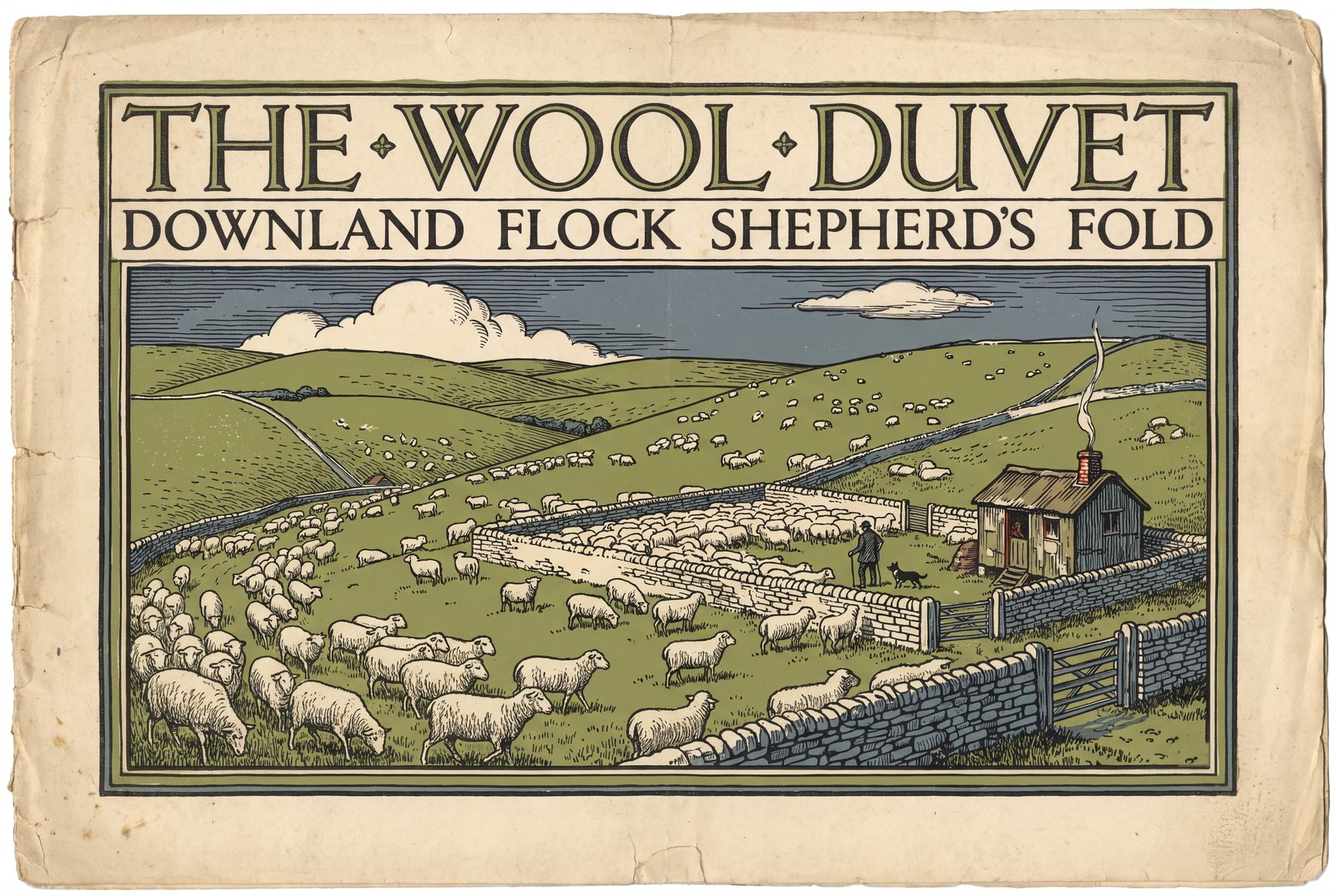
The Wool DuvetA bed that changes four times a year
A wool duvet is not one object with one weight. Makers sell the same insert in light, medium and warm fills, and some sell two layers that fasten together for the coldest months.
Wool duvet guides
All wool duvet guides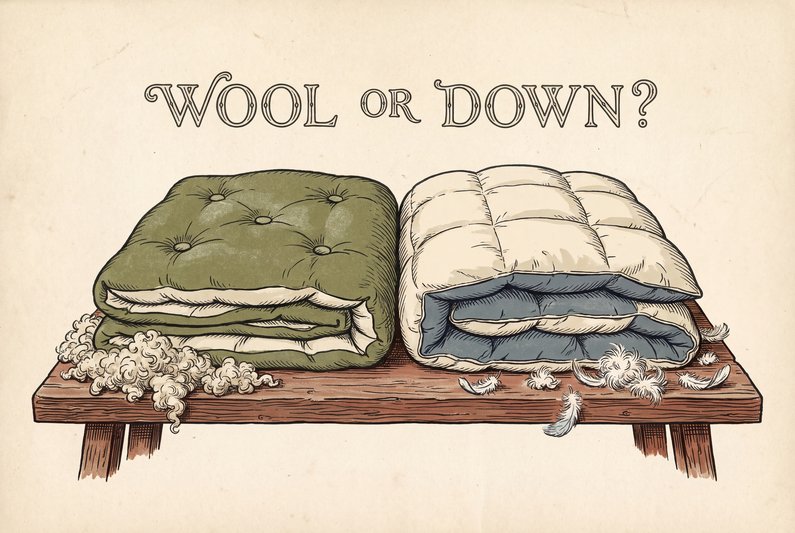
How do a wool and a down comforter differ from bedtime to morning?
A wool comforter and a down comforter keep a sleeper warm in two different ways, and the difference shows at different hours of the night. Down traps more still air for each ounce, so it gets warm under very little weight at bedtime.
What does a wool duvet do with heat and damp, hour by hour through the night?
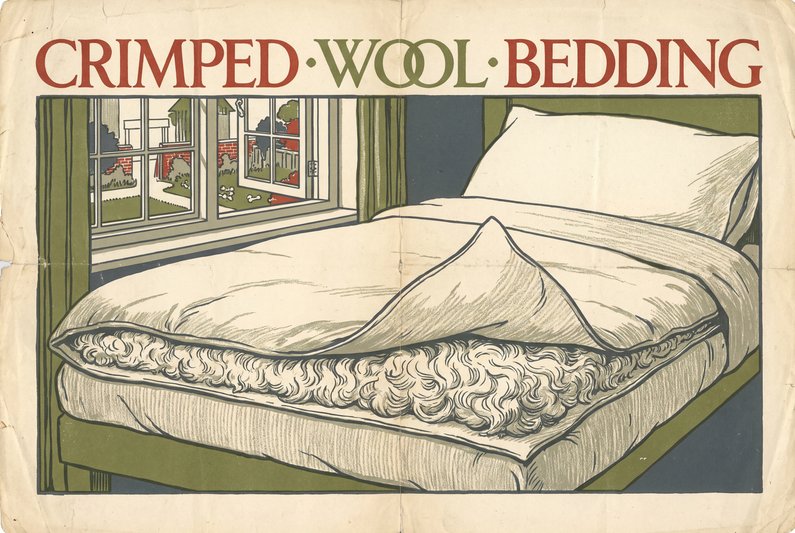
Your skin and lungs lose about 800 mL of water a day without any visible sweat, a little under a quart (Brandis, LibreTexts). At night, the skin's half of that goes into your bedding. What a wool duvet does with that water depends on the hour, because the body sheds most of its heat early in the night and cools toward morning.
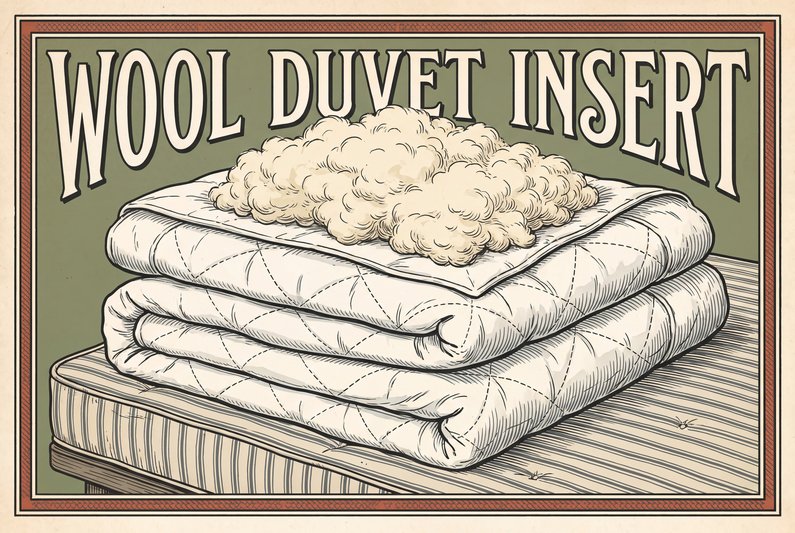
How does a wool duvet insert fit its cover, and what weights does it come in?
A wool duvet insert is a cotton shell of wool batting that ties into a washable duvet cover at its corners, so the wool stays spread over you instead of sliding to the foot of the bed. Sellers make it in several weights for each bed size, and by their figures a full/queen insert holds about 3 to 7 pounds of wool.
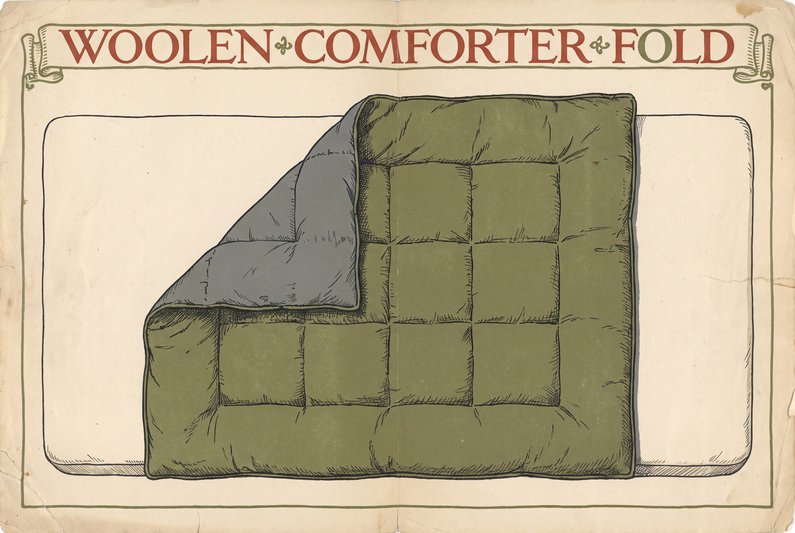
What is inside a wool comforter, and what makes one organic?
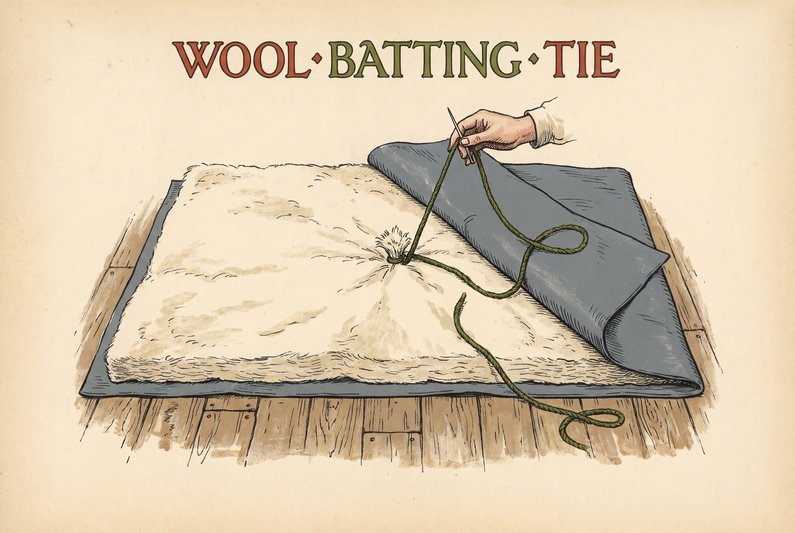
A wool comforter holds layers of wool batting sealed in a cotton shell, and its warmth follows how much wool covers each square yard. Sellers print that amount in grams per square meter, ounces per square yard or pounds for a bed size, and some print nothing at all.
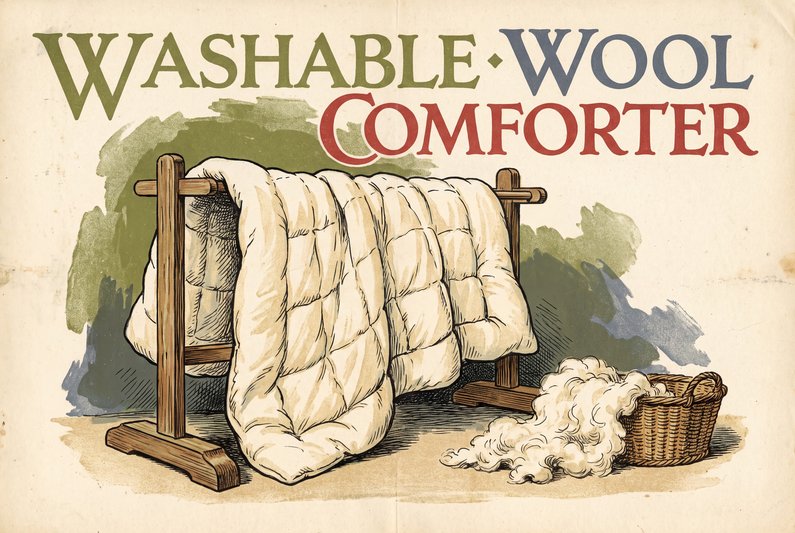
Can a wool comforter be washed, and what makes one washable?
Most wool comforters should never go through a washing machine, because water, warmth and tumbling lock untreated wool into felt for good. A washable wool comforter is filled with wool that was treated at the mill so its fibers slide past each other instead of locking.
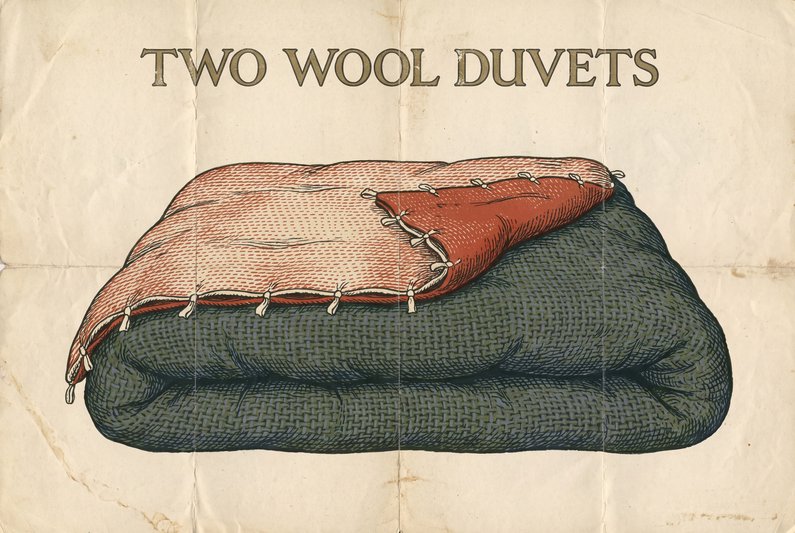
How does a two-weight wool duvet system work across the seasons?
One duvet has to get a sleeper through a humid July night and a January night with the heat turned down, and one weight rarely handles both. The two-duvet system gives that job to two layers, a light one and a heavier one, joined together when winter needs both.
Find your tog
What tog and GSM of wool duvet does your room need?
About The Wool Duvet
Why keep two rather than one?
Because one mid-weight duvet is a compromise in both directions, and a light layer plus a heavier one, joined in winter, covers more of the year.
British shops sell the pair as an all seasons duvet, and US makers sell two-layer wool sets that fasten together. Our guide to the two-duvet system covers how the layers add up and when one duvet is still the better answer.
How is wool warmth specified?
By the weight of wool: grams per square meter, ounces per square yard, or pounds for a bed size. Tog, the British warmth rating, comes from a separate lab test and does not convert exactly.
Sellers who state both disagree with each other, so the same light fill can be sold under different tog bands. Our guide to converting GSM and tog shows the arithmetic that does convert and the bands sellers publish for the rest.
What is covered?
How a wool duvet is built, how warm it is, how to care for it, what it does overnight, and the seasonal pairing.
GSM, ounces, pounds and tog, and the limits of converting one into another.
Layered batting, the cotton shell, and the tufts or quilting that hold the wool in place.
Why most cannot go in a machine, what washable wool is, and what airing and spot cleaning do instead.
What wool does with the heat and damp under the cover across a night.
A light layer and a heavier one, and when one mid weight is the better answer.