What should you know before buying a wool comforter?
Updated .
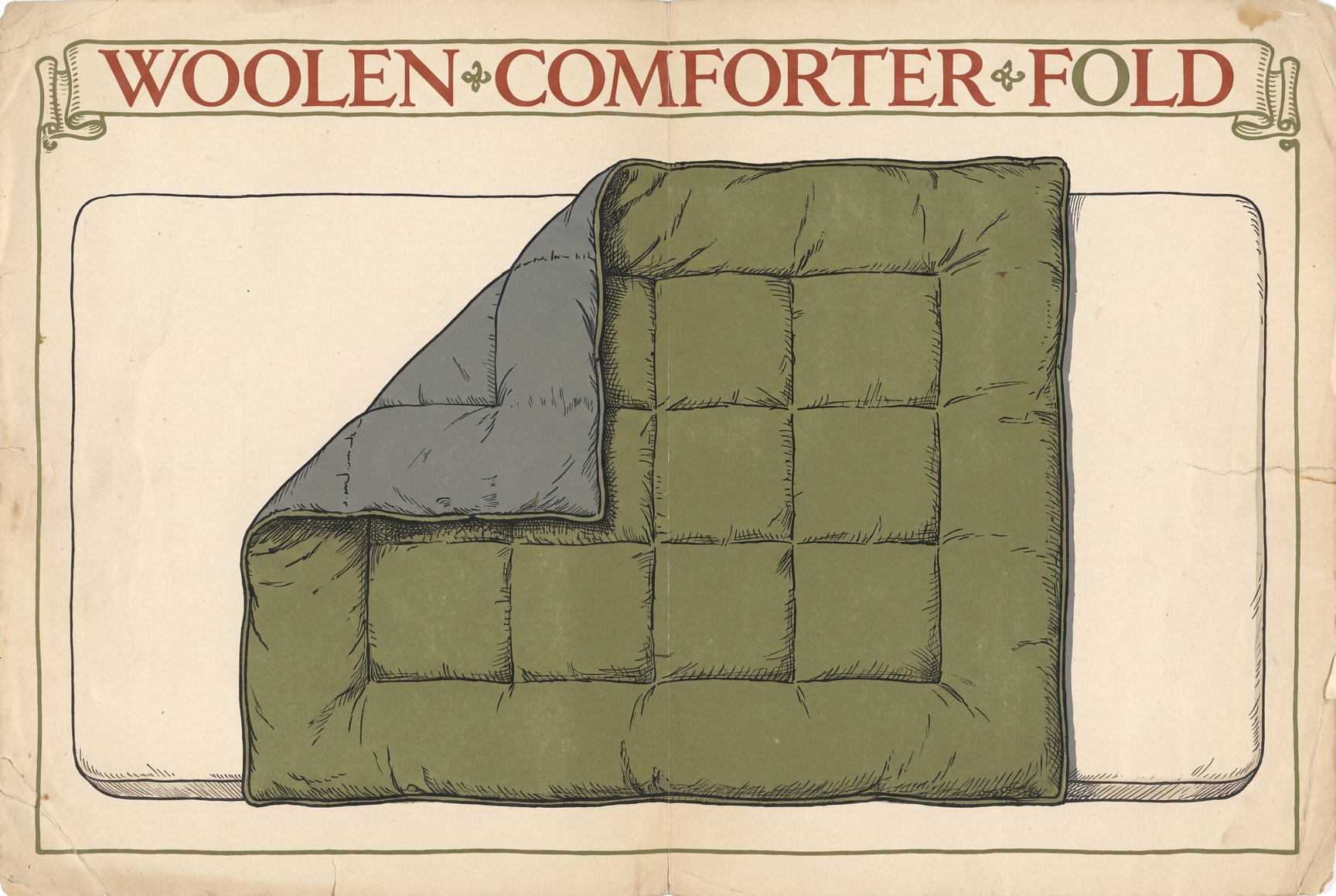
Wool bedding is sold under three names for one object, with two ways of stating warmth. The care label can even contradict the logo beside it. The numbers exist. They sit on pages most shoppers never open.
Short answer: A wool comforter is wool fill quilted into a cotton shell, sold in the United States at 90 by 90 inches for a full or queen bed (Sleep & Beyond). Warmth is set by fill density, printed as grams per square meter (gsm) or ounces per square yard. Summer weights start near 200 gsm, and Sleep & Beyond's organic comforter reaches 530 gsm (Sleep & Beyond). Most untreated wool cannot be machine washed. Read the density and the care line before the price.
Key Takeaways
- A queen wool insert holds roughly 2 to 5 pounds of wool, depending on warmth: Woolroom lists 2.1 lbs for a lightweight queen (Woolroom) and 5.3 lbs for its warm queen or full (Woolroom).
- Density is the comparable number. 200 gsm equals 6 ounces per square yard, and 530 gsm equals 16 ounces per square yard, conversions Sleep & Beyond prints on its own pages (Sleep & Beyond).
- Organic and washable rarely appear together. The Global Organic Textile Standard prohibits chlorinating organic wool, and chlorine is the usual first step in making wool survive a machine wash. Of the 2 sellers on this page that sell both organic and washable wool, only 1 offers a comforter that is both, and its product page names a chlorine bath.
Wool comforters at a glance
Wool comforter facts from 9 makers, each lifted from the maker's own page on October 7, 2026.
| Comforter | Certificate no. | Weight given | Trial | Warranty | Count |
|---|---|---|---|---|---|
| Antipodean Home Organic Wool Comforter | GOTS and OEKO-TEX named, no number | 350 gsm; queen holds 4.0 lb | Returns unwashed and unused only, 30 days | Not given | 1 / 4 |
| Coyuchi Washable Wool-Filled Comforter | Not given | Not given | 30-day refund; silent on use | Not given | 0 / 4 |
| Holy Lamb Organics All Season Comforter | GOTS facility named, no number | Queen: 2.9 lb single layer | Returns unused only, 30 days | Not given | 1 / 4 |
| Naturepedic Organic Wool Duvet Insert | Not given | About 500 gsm | Bedding returns unused only, 30 days | 1-year limited warranty | 2 / 4 |
| Piglet in Bed British Wool Duvet | OEKO-TEX 25.3.0216 | 6 or 10 oz per square yard | Returns unwashed and unused only | Not given | 2 / 4 |
| Sonoma Wool Company Wool Comforter | Not given | Queen weighs about 8 lb | 60-day returns; silent on use | Not given | 1 / 4 |
| The Wool Room Organic Washable Wool Comforter, medium | OEKO-TEX 11-71668 | 350 gsm | 30 nights | Not given | 3 / 4 |
| Wool Bedding (Frankenmuth Woolen Mill) Wool Comforter | Not given | Queen: 4 lb of wool | Returns unused only, 7 days | 1-year warranty | 2 / 4 |
| Woolino Wool Comforter | OEKO-TEX 15.HCN.66088 | 400 gsm | Returns unused and unwashed only | Not given | 2 / 4 |
Editor's picks
How a comforter gets picked: 9 comforters went through the same reading, and the pick is whichever maker gives the most of the 4 details below, at least 2 of them. Tied comforters are all picked, alphabetical and unranked.
- A certificate number given.
- Wool weight or total weight given.
- Returns allowed after sleeping under it.
- A warranty in years.
- The Wool Room Organic Washable Wool Comforter, medium: 3 of 4, OEKO-TEX 11-71668; 350 gsm; 30 nights.
A pick rewards a maker for being specific. No comforter here has been slept under for this page, so warmth and weight were not judged.
On This Page
This guide is for: someone comparing wool inserts on two browser tabs who wants to know which printed number decides how the thing will sleep.
We read 17 product pages for wool comforters and wool duvet inserts sold to United States buyers, on 22 September 2026. We counted how each one states its fill. Nine pages gave a fill density only, in grams per square meter or ounces per square yard. Three gave a total fill weight in pounds for each bed size, one of them alongside a density. Five gave no fill figure at all, describing the product as all-season or as holding several pounds of wool. That last group is close to a third of the set, and it is the group where you cannot compare anything.
What is a wool comforter, and how is it different from down?
A wool comforter is quilted wool fill within a cotton shell, sold as a duvet insert, and it behaves nothing like a down insert.
The naming mix-up is not your fault. Woolroom states that a wool duvet, a duvet insert and a wool comforter are one product, and that the word you use depends on where you live (Woolroom). Our explainer page covers how one is put together.
Under the shell, a wool comforter is built differently from down, and you can feel it through the cover. A down insert holds loose clusters in sewn pockets. A wool insert holds layers of wool batting spread evenly edge to edge, stitched so they cannot travel. Sleep & Beyond uses a box quilted pattern to keep the batting in place (Sleep & Beyond), while other makers hand-tie tufts across the whole comforter.
Because the wool is spread evenly and stitched in place, a wool comforter never needs shaking to spread the fill again, and it drapes over you instead of doming up. Fill power does not apply either. Fill power measures how much space an ounce of down fills, and wool is not sold that way. The number to compare is how much wool covers each square yard, which is where the next section starts.
There is one more practical difference. The quilting pattern is permanent. You cannot shift a thin spot back into shape the way you can move down toward your feet. If a wool insert feels thin in one place on the first night, it will feel thin there next year too.
How much wool fill does a queen wool comforter hold?
Sellers state fill two ways: grams per square meter and total pounds per size. Both numbers matter, and they are not interchangeable.
Density tells you how warm the insert is. Total weight tells you how it will feel on your chest. A page that gives only one of them tells you half the story, and five of the pages we read gave neither.
Piglet in Bed gives a density for its wool duvet in a lighter and a warmer version (Piglet in Bed US). Sleep & Beyond lists a density for its organic comforter and for its washable Shropshire version (Sleep & Beyond). The table puts those figures side by side in both units so you can compare them with American listings.
| Product page | Grams per square meter | Ounces per square yard | Our reading |
|---|---|---|---|
| Piglet in Bed US, lighter | Not published | 6 oz | Summer, or a bedroom that stays warm all year |
| Piglet in Bed US, warmer | Not published | 10 oz | The safe default for most American bedrooms |
| Sleep & Beyond myComforter | 430 | 13 oz | Cool bedrooms, noticeably present on the body |
| Sleep & Beyond myMerino, organic | 530 | 16 oz | The warmest weight here; too much for many |
| 45th Street Bedding washable wool | 450, as listed | About 13 oz (our conversion) | A winter insert by any other name |
The last column is our judgement, not a maker claim. By our conversion, Piglet's two weights come to about 200 and 340 grams per square meter. The last row comes from the Bedrooms & More product listing, which, like most pages, leaves the ounce conversion to you. If you remember one row, remember the warmer Piglet weight. Most American bedrooms sit closer to it than to either end of the table.
Does a wool duvet insert really keep hot sleepers cooler?
Wool moves water vapor better than cotton or polyester, which is why damp sleepers notice it, though warmth still depends on fill weight.
The honest version of the wool cooling claim is narrower than the one on the box. A small lab trial randomized people across sleepwear, bedding and room temperature. Wool sleepwear helped them fall asleep faster than cotton. The bedding result was different. The study found no effect of bedding on sleep (Nature and Science of Sleep). In that trial, the wool quilt did not beat the polyester one.
Wool does better at moving moisture. A review of sleepwear and bedding fibers found that wool lets water vapor through more easily than cotton or polyester (Nature and Science of Sleep review). That lets sweat evaporate, so your skin stays dry. When sweat evaporates, it carries heat away from your skin along with the damp. Wool fiber can also soak up a large share of its own weight as moisture vapor (IWTO Wool Notes).
So believe the narrow claim. Wool helps with damp more than with heat. If you wake up clammy, a wool insert is a fair thing to try. The moisture, and the heat it carries, has a way out. If you simply wake up hot, buy a lighter density and expect wool to warm you like any other fill of that weight.
Which wool comforter weight should you buy for your bedroom temperature?
Match the fill density to your winter bedroom temperature, not to the season on the label, and buy the lighter one if you are unsure.
A temperature on the label tells you whether you will sleep well, and a season name cannot. A Phoenix winter and a Vermont winter are very different rooms. Woolroom ties each of its weights to a room: light for 68°F and up (Woolroom), medium for 60 to 68°F (Woolroom) and warm for 48 to 60°F (Woolroom). Read your bedroom at night in midwinter, then pick the band it sits in.
Total weight is the other half of the decision, and it can more than double across one maker's range.
| Woolroom warmth level | Twin | Queen | King |
|---|---|---|---|
| Light | 1.7 lbs | 2.1 lbs | 2.4 lbs |
| Medium | 3.3 lbs | 4.2 lbs | 4.9 lbs |
| Warm | 4.2 lbs | 5.3 lbs | 6.1 lbs |
The light figures come from Woolroom's lightweight comforter page, the medium ones from its medium page and the warm ones from its warm weight page.
Our judgement: buy one step lighter than you think. A heavy wool insert feels like weight on your body long before it feels like extra heat. Two people sharing a bed rarely agree on warmth. A lighter insert plus a folded blanket on one side settles more arguments than a heavier insert does.
Can you wash a wool comforter, or only air it out?
Some wool comforters go in a home washer on a wool cycle. Most do not, and washing those felts and shrinks the wool for good.
Washable and non-washable wool comforters are two different products, and the difference is usually printed in small type. Woolroom's washable range goes in the machine on a wool or delicate cycle, with wool detergent and a slow spin, then dries on a line (Woolroom). The cycle has to be gentle, because rubbing and churning are what felt wool. A top loader with a center agitator churns hard, so a front loader is the safer machine.
Other sellers say the opposite just as clearly. Piglet in Bed tells buyers not to put its wool bedding in the washing machine at all, and to air it in the sun at the start of each season instead (Piglet in Bed US). Sleep & Beyond lists its organic comforter as not machine washable and suggests spot cleaning or a duvet cover (Sleep & Beyond).
So the real care question is not how you will wash the insert. The question is what protects it. A duvet cover you can wash weekly does the job the insert cannot do. That is why nearly every wool insert ships with corner loops. Our care page covers airing, spot cleaning and storage.
Why are so few GOTS organic wool comforters machine washable?
Organic certification and machine washability pull against each other, because the treatment that stops felting typically uses chlorine.
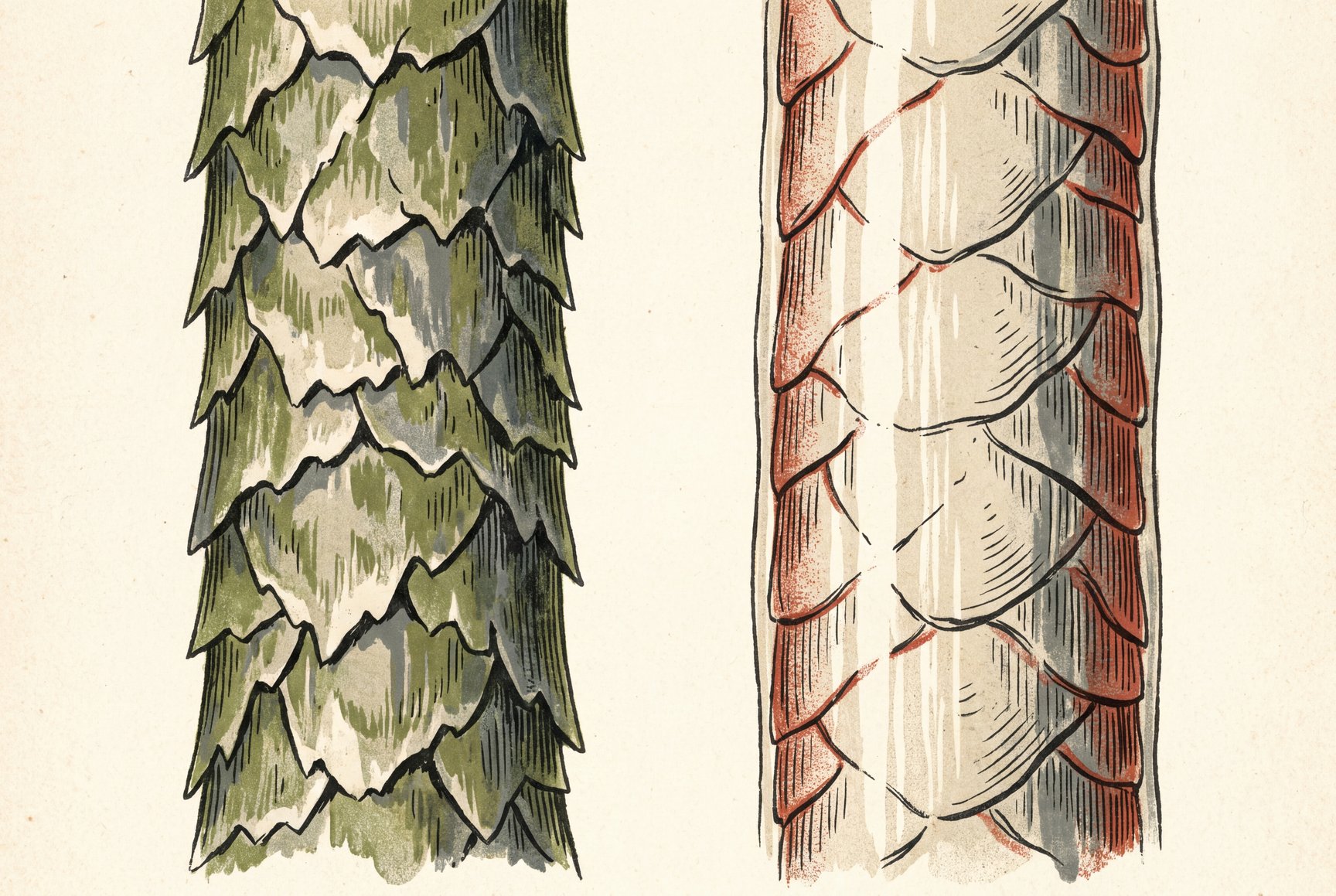
Untreated wool felts because each fiber is covered in tiny overlapping scales. Heat, water and churning lock those scales together. The industry fix etches the scales with chemicals and then coats each fiber in a thin resin. A study in the Journal of Cleaner Production describes that standard route, in which a resin masks the scales. It also notes that the Global Organic Textile Standard prohibits chlorinating organic wool.
Sellers split on it. Sleep & Beyond sells its washable comforter in conventional wool and its organic one as not machine washable (Sleep & Beyond). Woolroom sells an organic comforter as machine washable, but its US product page says the wool is bathed in a chlorine solution (Woolroom), so ask which process stands behind any organic washable claim. Our guide to washable wool comforters goes through that question.
| What the page claims | What it implies about the fiber | What you give up |
|---|---|---|
| Machine washable wool | Scales etched and resin coated, in most cases | Organic certification, and some softness |
| GOTS certified organic wool | Untreated fiber, no chlorine step | Home washing; spot cleaning and airing only |
| OEKO-TEX certified, no care claim | Tested for substances in the finished textile | No information either way about felting treatment |
The third row is the trap. An OEKO-TEX label tells you the finished product was tested, not how the wool was processed. Woolino, for example, lists OEKO-TEX certification with a certificate number, which is a safety statement rather than a processing one. Decide which side of the table you want before you compare prices, because that choice sets how you will clean the insert for years.
What does a wool filled comforter cost in the United States?
Queen wool inserts sold in the United States span a wide price band, and fill weight drives most of the difference you will see.
Specialist sellers price a full or queen wool insert from about $200 to $400, and handmade domestic inserts cost more. On October 7, 2026, Sleep & Beyond listed its light washable comforter in full or queen at $229 (Sleep & Beyond) and its organic comforter in full or queen at $379 (Sleep & Beyond). Prices move, so check the page on the day you buy.
Price and fill weight together let you do math no maker prints. Divide the price by the pounds of wool in your size, on any insert that lists both. The result includes the shell and sewing, but it makes premium tiers easier to read. More pounds at the same density means a heavier, warmer layer across the body. A higher price per pound buys a label, a certification or a finer fiber.
Price does not track warmth reliably. Sleep & Beyond says its light and standard washable comforters differ only in how much wool went in (Sleep & Beyond). Its organic comforter holds more wool per square yard than either, so part of its higher price buys warmth and part buys certification and a finer fiber. Choose your density first, then shop that density on price.
How do imported wool duvets fit American beds?
Imported duvets are often built to British bed sizes, so check the listed inches before you buy, not the word queen on the listing.
Several of the best-known wool inserts are made in Britain or Europe, and the size chart is where that shows. Sleep & Beyond cuts its full and queen insert at 90 inches square (Sleep & Beyond), which suits a shared bed. Other makers' queens run a few inches smaller, so read the inches on each listing. The king and California king often share one insert size, so check the width rather than the name.
On a standard queen mattress, the overhang is simple subtraction rather than opinion.
| Insert width | Overhang per side on a queen | House read |
|---|---|---|
| 86 inches | 13 inches | Tight for two people sharing covers |
| 88 inches | 14 inches | Adequate, with no margin |
| 90 inches | 15 inches | The workable minimum for a shared bed |
| 102 to 104 inches (king insert) | 21 to 22 inches on a queen | Deliberate oversizing; drapes to the rail |
One more import quirk is worth knowing. Piglet notes that it makes its wool duvets slightly larger, so the natural fibers can settle over time (Piglet in Bed US). Measure your duvet cover, not your mattress, before you size up. A cover smaller than the insert squashes the wool at the edges, and you feel that as a stiff border along your shoulders.
How long does a wool comforter last, and what ruins one?
Wool bedding fails from compression and moths, not from wear, so airing it and storing it dry matters more than gentle handling.
Sellers are fairly consistent about lifespan. Sleep & Beyond says its comforters can last more than 7 years with proper care (Sleep & Beyond), which fits how the fiber behaves. Wool does not leak through the shell the way down can, and quilted wool fill cannot slide to one end.
Wool does compress. People ask whether a wool insert loses its "loft" over time, which means how much height it keeps. The height drops, then partly recovers after a day of airing on a line.
The two real threats are moths and moisture. Wool stored damp in a sealed bag through a humid summer is how a good insert dies. Clothes moths eat the wool itself and leave the cotton shell alone. Store it clean, dry and able to breathe, in a cotton bag rather than plastic. Each fall, check it for moth damage before it goes back on the bed.
You can tell an insert is finished when the wool has thinned unevenly along the quilt lines. It also stays flat after a full day on a line. At that point the cover is fine and the wool is not.
Common questions
Is a wool comforter too warm for summer?
No, a light one keeps a sleeper covered through a summer night without overheating. Piglet's lighter duvet is 6 oz per square yard (Piglet in Bed US), and Woolroom's lightweight queen holds about two pounds of wool, less than half its warm queen (Woolroom). With that little wool over the body, a person in a cooled bedroom gets the dry feel of wool without the winter heat.
What is the difference between a wool comforter and a wool duvet?
There is no difference in the product. Woolroom states that a wool duvet, a duvet insert and a wool comforter are one item (Woolroom). The name depends on where you live. American listings tend to say comforter or insert, while British ones say duvet.
Do you need a duvet cover with a wool comforter?
You do not need one, but you want one. Woolroom recommends a cover to extend the life between washes and reduce how often the comforter itself is cleaned. Since many wool inserts cannot be washed at all, the cover is the washable layer.
Is the Piglet US wool duvet sized for an American queen bed?
It is sold in US sizes: twin, full/queen and king/California king, with the last two sharing one size (Piglet in Bed US). Piglet makes its duvets slightly large to allow for settling, so measure the cover you already own before you order.
Can people with dust mite allergies use wool bedding?
The evidence is thinner than the claims. IWTO, a wool industry body, argues that wool's breathability reduces humidity and limits the chance for dust mites to develop. That is a mechanism rather than a clinical result, and an allergy-proof cover remains the step with real trial data behind it.
How often should you air a wool comforter?
About four times a year is the usual advice. Piglet recommends hanging wool bedding outside in the sun at the start of each season (Piglet in Bed US). Dry air and daylight do most of the work, and a windy afternoon beats a still, sunny one.
Sources
Outside reading behind this wool duvet page, each entry marked with where on the page it is used.
- Sleep & Beyond (sleepandbeyond.com), used under “Key Takeaways”; “What is a wool comforter, and how is it different from down?”; “How much wool fill does a queen wool comforter hold?”; “Can you wash a wool comforter, or only air it out?”; “Why are so few GOTS organic wool comforters machine washable?”; “What does a wool filled comforter cost in the United States?”; “How do imported wool duvets fit American beds?”; “How long does a wool comforter last, and what ruins one?”.
- Woolroom (thewoolroom.com), used under “Key Takeaways”; “What is a wool comforter, and how is it different from down?”; “Which wool comforter weight should you buy for your bedroom temperature?”; “Can you wash a wool comforter, or only air it out?”; “Common questions”.
- Woolroom (thewoolroom.com), used under “Key Takeaways”; “Which wool comforter weight should you buy for your bedroom temperature?”.
- Antipodean Home (antipodean-home.com), used under “Wool comforters at a glance”.
- Returns unwashed and unused only, 30 days (antipodean-home.com), used under “Wool comforters at a glance”.
- Coyuchi (coyuchi.com), used under “Wool comforters at a glance”.
- 30-day refund; silent on use (coyuchi.com), used under “Wool comforters at a glance”.
- Holy Lamb Organics (holylamborganics.com), used under “Wool comforters at a glance”.
- GOTS facility named, no number (holylamborganics.com), used under “Wool comforters at a glance”.
- Returns unused only, 30 days (holylamborganics.com), used under “Wool comforters at a glance”.
- Naturepedic (naturepedic.com), used under “Wool comforters at a glance”.
- Bedding returns unused only, 30 days (naturepedic.com), used under “Wool comforters at a glance”.
- Piglet in Bed (us.pigletinbed.com), used under “Wool comforters at a glance”; “How much wool fill does a queen wool comforter hold?”; “Can you wash a wool comforter, or only air it out?”; “How do imported wool duvets fit American beds?”; “Common questions”.
- Returns unwashed and unused only (us.pigletinbed.com), used under “Wool comforters at a glance”.
- Sonoma Wool Company (sonomawoolcompany.com), used under “Wool comforters at a glance”.
- 60-day returns; silent on use (sonomawoolcompany.com), used under “Wool comforters at a glance”.
- The Wool Room (thewoolroom.com), used under “Wool comforters at a glance”; “Editor's picks”; “Why are so few GOTS organic wool comforters machine washable?”.
- Wool Bedding (Frankenmuth Woolen Mill) (wool-bedding.com), used under “Wool comforters at a glance”.
- 1-year warranty (wool-bedding.com), used under “Wool comforters at a glance”.
- Woolino (woolino.com), used under “Wool comforters at a glance”.
- Returns unused and unwashed only (woolino.com), used under “Wool comforters at a glance”.
- Sleep & Beyond myMerino, organic (sleepandbeyond.com), used under “How much wool fill does a queen wool comforter hold?”; “What does a wool filled comforter cost in the United States?”.
- Nature and Science of Sleep (pubmed.ncbi.nlm.nih.gov), used under “Does a wool duvet insert really keep hot sleepers cooler?”.
- Nature and Science of Sleep review (ncbi.nlm.nih.gov), used under “Does a wool duvet insert really keep hot sleepers cooler?”.
- IWTO Wool Notes (iwto.org), used under “Does a wool duvet insert really keep hot sleepers cooler?”.
- Woolroom (thewoolroom.com), used under “Which wool comforter weight should you buy for your bedroom temperature?”.
- Journal of Cleaner Production (sciencedirect.com), used under “Why are so few GOTS organic wool comforters machine washable?”.
- Sleep & Beyond (sleepandbeyond.com), used under “What does a wool filled comforter cost in the United States?”.