What is a washable wool comforter, and can it be organic?
Updated .
A washable wool comforter is filled with wool that was treated at the mill so it can go through a home washer without shrinking into felt. Most washable wool gets that treatment from chlorine. One review estimates that about 70% of wool labeled fully machine-washable goes through the chlorine-Hercosett process (PMC review). That matters if you also want organic, because GOTS, the Global Organic Textile Standard that certifies how organic fiber is processed into fabric, prohibits chlorination of wool (Global Standards). Below you'll find the treatments, the labels, the fill weights sellers publish, and the drying advice from 10 seller pages we read.
Short answer: A washable wool comforter can go in a home washer on a cold, gentle wool cycle because its fibers were treated to stop felting. Most washable wool gets a chlorine treatment, which the organic textile standard GOTS does not allow, so an organic washable comforter needs a different process. Ask the seller which process it used and for a copy of its GOTS certificate. Then follow that seller's drying advice, since the pages we read split on whether a dryer is safe.
This guide is for: people buying a wool comforter they plan to wash at home, and people checking whether "organic" and "washable" can truthfully sit on the same product.
Key Takeaways
Three points carry most of the decision: how the wool was made washable, which label covers what, and how the seller says to dry it.
- About 70% of machine-washable wool is chlorine treated, according to one review's estimate, and GOTS prohibits chlorinating wool. An organic washable comforter therefore needs a process that uses no chlorine, and you should ask the seller to name it.
- Of 10 seller pages we read on September 25, 2026, 7 said to keep a washable wool comforter out of the dryer and 3 allowed a dryer on low or no heat. Two retailer listings for one maker's comforters gave opposite advice.
- Washable fills run from 5.9 oz to 14.7 oz per square yard on one seller's organic line. It matches the light fill to rooms of 68°F and up and the warm fill to rooms of 48 to 60°F.
On This Page
Eight questions, in the order most people ask them, from how washable wool is made to how often a comforter needs a full wash.
What makes a wool comforter machine washable?
A factory treatment smooths or coats the scales on each wool fiber, so the fill cannot lock together and felt in a washing machine.
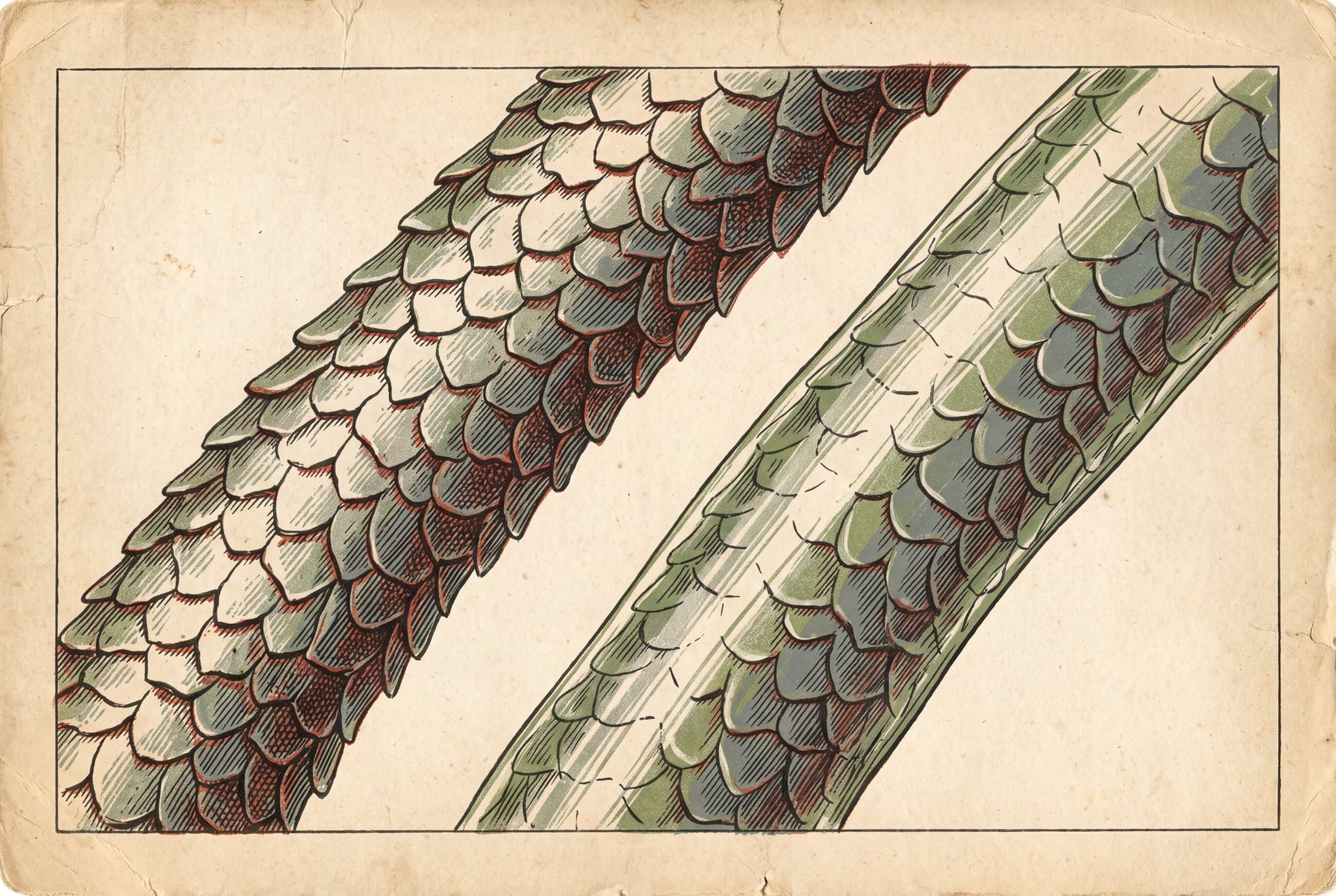
Every wool fiber is covered in tiny overlapping scales. Warm water and tumbling push those scales into each other until they lock, and the fill shrinks into a dense mat. Makers stop this by changing the scale surface before the wool becomes batting. The most common method uses chlorine and a plastic-like resin. A Swedish mill that uses it explains that the Hercosett method treats wool in two stages, starting with a chlorine bath. After that, a nylon-based polymer covers the scales like a thin membrane so they cannot expand and felt (Woolpower). Wool treated this way is often sold as "superwash", a trade name that usually points to the chlorine and resin method. The review cited above notes that the process wastewater contains AOX, a class of chlorine-containing pollutants, from both the chlorinating agent and the resin.
Other methods exist. The table lists the ones named on pages we read.
| Method | What it does | Can GOTS certify it? |
|---|---|---|
| Chlorine plus resin | Chlorine etches the scales and a polymer coats them (Woolpower) | No, chlorination of wool is prohibited (Global Standards) |
| Hydrogen peroxide bath | Seller says it strips scales with no bleach or plastic coating (45th Street Bedding) | Not stated by the seller |
| Water, minerals and oxygen | Seller says the fibers turn springy and resist felting (Woolroom) | Seller says it meets GOTS |
| Enzymes, ozone | Methods that avoid AOX (Blue Barn Fiber) | Not stated in what we read |
Can a washable wool comforter also be organic?
Yes, but only if the washable treatment avoids chlorine. The organic textile standard bans chlorinating wool, so ask which process was used.
Two sets of rules share the word organic, and neither one settles the question alone. Under USDA rules, raw wool is covered by the organic production standards, but the regulations include no processing or manufacturing standards for textile products (Organic Trade Association). Processing falls to GOTS, and textiles that meet GOTS may be sold as organic in the U.S. (USDA AMS). A comforter whose wool was chlorinated cannot carry GOTS, however well the sheep were raised.
One seller's pages sit on both sides of that line. Its page on machine washability describes a bath of water and natural minerals, with oxygen blown through it, for its organically certified collection (Woolroom). Its US product page for the organic medium comforter, a fill of 350 grams per square meter, says the wool is bathed in a chlorine solution to smooth its natural barbs (Woolroom US). From the pages alone, we cannot tell which text is current, and that gap is the reason to ask before you buy.
The practical test is a certificate you can see. Ask for a copy of the GOTS certificate that covers the finished comforter, and ask in writing which shrink-resist process the fill went through. If the seller cannot name the process, read "organic" as a statement about the farm and nothing more.
What do sellers tell you about drying a washable wool comforter?
They disagree. Of 10 seller pages we read, 7 said to skip the dryer and 3 allowed low or no heat, and one maker's comforters got both answers.
Our count. On September 25, 2026, we read 10 seller and retailer pages for washable wool comforters sold to US buyers, and sorted the drying instruction on each page into three buckets.
| Drying instruction on the page | Pages | Which pages |
|---|---|---|
| Tumble dry on low heat allowed | 2 | 45th Street, Allergy Store listing |
| Tumble dry on air only, no heat | 1 | The Company Store |
| No dryer; line or air dry | 7 | Woolroom (deluxe light, deluxe all season, organic light, organic medium, organic warm), Woolino, Good Night Naturals listing |
Two findings stand out. One maker's comforters got opposite advice from different retailers. One retailer's listing for its lighter comforter allows tumble drying on low heat, while another retailer's listing tells buyers to air dry only and not use a dryer. Also, most of the no-dryer pages come from one seller, so the split tells you more about sellers than about wool.
Follow the page for the exact product you own. When two pages conflict, the cautious reading is no heat. Plan for a slow dry either way, because a full-size comforter holds a lot of water after a wash and takes time to dry all the way through. This count records what the pages state and nothing more.
How do you wash a wool comforter without ruining it?
Use a large front loader, cold or cool water, a wool cycle, wool detergent and a slow spin, then dry it the way the seller's own page says.
Start with the seller's instructions, because no federal rule writes them for you. The FTC care labeling rule covers textile wearing apparel and certain piece goods. A comforter is neither, so the care text on bedding comes from whoever sells it. Confirm the word washable on the label before anything goes in a machine, since one care guide says most wool comforters are not washable (My Organic Sleep).
The pages we read agree on most of the steps:
- Wash the comforter by itself in a big machine. One seller specifies a large capacity front loading washer without an agitator (The Company Store).
- Choose cold or cool water on a wool or delicate cycle. Another maker says to wash separately on cold, using the wool or gentle cycle without agitation (Nest Bedding).
- Use a mild wool detergent, and skip bleach and the iron.
- Keep the spin slow. One seller sets a maximum spin speed in its care text (Woolroom), and a lower setting is gentler still.
Following the steps still carries some risk. One buyer reported that the wool clumped after a laundromat wash despite following the care instructions. You can lower that risk by washing only when the comforter really needs it, which the last section covers.
How heavy should a washable wool comforter be?
Sellers state fill in ounces per square yard. Light fills sit near 6 oz, warm ones near 15 oz, and your bedroom temperature decides.
Wool comforters are sold by fill density, not by the fill power number used for down. A queen weighs more than a twin at the same density, so compare density, not total weight. Where a seller lists fill in grams per square meter, the table converts it to ounces per square yard and keeps the seller's figure in brackets.
| Comforter (seller's page) | Wool per square yard | Seller's stated use |
|---|---|---|
| Woolroom organic washable, light | 5.9 oz | Rooms 68°F and up |
| Woolroom organic washable, medium | 10.3 oz | Rooms 60 to 68°F |
| Organic Comfort Market, all season | 11.8 oz (400 g/m²) | All season |
| Nest Bedding Wool myComforter | 13 oz | Year round |
| Woolroom organic washable, warm | 14.7 oz | Rooms 48 to 60°F |
If you sleep hot or keep the house warm, start with the lightest fill in the table. Bedrooms kept in the low to mid 60s suit the middle of the table. A light fill in a cold room leaves you adding blankets, and a warm fill in a heated room traps more warmth than most people want, so match the fill to the room before you match it to the season. For how density, shell fabric and size fit together on any wool comforter, see What should you know before buying a wool comforter?
Does washable wool still keep you cool and dry?
The treated fiber still absorbs moisture, but the sleep evidence is thin: one lab study found no effect from wool bedding on sleep itself.
The case for wool rests on moisture. A recent systematic review reports that wool has higher water vapour permeability than cotton and polyester, allowing efficient sweat evaporation (Journal of Sleep Research, PMC). When that sweat evaporates, the heat leaves with the moisture, and that step is what carries any cooling you feel. That review found only nine eligible studies, which is a small base. Whether the washable treatment changes wool's moisture handling is not settled. The mill quoted above says the treatment layer is so thin that the fiber's properties still work, which is a maker's statement rather than a test result.
The sleep evidence is narrower than the marketing. Seventeen healthy young participants underwent nine nights of polysomnography in a cool room and a warm room, and wool sleepwear helped them fall asleep faster than cotton. Even so, there was no bedding effect on sleep (Shin et al., Nature and Science of Sleep). Two authors listed affiliations with Australian Wool Innovation and The Woolmark Company, which you should weigh. The researchers found no bedding effect on sleep, and the abstract does not say the bedding was washable-treated wool.
What you can take from this is modest. A washable wool comforter is a breathable layer that absorbs moisture and lets body heat leave as that moisture dries, and your room temperature matters as much as the fill. For how wool fill compares with down and polyester, see What a wool duvet is.
What do the labels on an organic washable wool comforter guarantee?
Each label covers one thing. GOTS covers processing, USDA rules cover the sheep, and OEKO-TEX covers harmful substances in the finished item.
The table below is our judgement of what each claim can and cannot tell you, read against the wording of the standards themselves. An organic claim without a certificate is a claim about sheep, not about the fill. No seller publishes a comparison like this, because every seller leads with the labels it holds.
| Label or phrase | What it covers | What it does not tell you | Our judgement |
|---|---|---|---|
| GOTS, with a certificate | Processing of organic fiber; chlorination of wool is prohibited (Global Standards) | Warmth or fill weight | Strongest organic claim a washable comforter can make; ask to see the certificate |
| "Organic wool," no certificate | Usually how the sheep were raised (Organic Trade Association) | How the fill was made washable | Treat as a farm claim only |
| USDA organic seal | A finished product certified to USDA organic rules (USDA AMS) | Little else | Rare on textiles; the seal is not allowed without that certification |
| OEKO-TEX Standard 100 | Testing for harmful substances (Woolroom) | Organic status or treatment method | A safety check, not an organic claim |
| Woolmark | Wool fill certified by Woolmark (Nest Bedding) | Organic status or washable method | Confirms the fiber, not the process |
| "Washable" alone | The seller's promise that machine washing is safe | Which treatment, or dryer rules | Ask for the process and the full care text |
How often should you wash a wool comforter?
Rarely. A duvet cover takes the daily wear, airing handles most freshening, and one seller warns frequent washing can separate the batting.
Most of the time you wash the cover, not the comforter. Nearly every seller we read recommends a duvet cover, and some suggest regular airing as well. One maker writes that it does not recommend frequent washing, as the batting can separate inside the quilted pockets (The Clean Bedroom listing). Another says to avoid frequent washing because the wool batting can shift inside the quilted pockets (Nest Bedding). One care guide suggests washing your wool comforter every two to six months (My Organic Sleep), which sits at the frequent end of what sellers advise.
Airing needs a little care too. Woolroom's care guide says to keep drying wool out of direct sunlight (Woolroom care guide). A few hours of shade and moving air on a dry day freshens the fill without that risk.
For small stains, spot clean the shell with a little wool wash and let it dry fully before the cover goes back on. If you are choosing the comforter and its cover together, How do you choose a wool duvet insert? covers corner loops, ties and sizing, which decide how well the cover protects the fill.
Common questions
Short answers to the questions people ask most often about washable and organic wool comforters, each one checked against a source.
Can you put a washable wool comforter in the dryer?
Only if the page for your exact comforter allows it. In our count, 3 of 10 pages allowed a dryer on low or no heat. When pages disagree, skip the heat and dry it flat or on a line.
Is superwash wool the same as washable wool?
Often, but not always. Superwash usually refers to the chlorine and resin method a Swedish mill describes on its superwash page. Bedding sold as washable may use peroxide or minerals instead of chlorine, so ask which process was used.
Can an organic wool comforter be machine washed?
Yes, if its shrink-resist process meets GOTS, which rules out chlorine. Where the seller cannot confirm that, follow its care label exactly, and expect some organic comforters to be spot-clean only.
Will a washable wool comforter shrink?
It should not felt, but some sellers plan for shrinking. One seller ships every size oversized and says they shrink to fit in one or two wash cycles (45th Street), so check the finished dimensions.
Does a washable wool comforter need a duvet cover?
Most sellers we read recommend one. A cover takes the daily wear and goes through the wash instead of the fill, and one maker says to always protect the comforter with a duvet cover.
Does washable wool help with allergies?
Sellers often say wool bedding suits people with dust mite allergies. The claimed mechanism is humidity: dust mites need damp air, and a fill that absorbs moisture may keep the bed drier. We found no primary study on washable wool comforters and allergy outcomes while researching this page, so treat that as the seller's claim.
Sources
Outside reading behind this wool duvet page, each entry marked with where on the page it is used.
- PMC review (pmc.ncbi.nlm.nih.gov), used under “Key Takeaways”.
- Global Standards (global-standards.org), used under “Key Takeaways”; “What makes a wool comforter machine washable?”; “What do the labels on an organic washable wool comforter guarantee?”.
- light fill to rooms of 68°F and up (thewoolroom.com), used under “Key Takeaways”; “What do sellers tell you about drying a washable wool comforter?”; “How do you wash a wool comforter without ruining it?”; “How heavy should a washable wool comforter be?”.
- warm fill to rooms of 48 to 60°F (thewoolroom.com), used under “Key Takeaways”; “What do sellers tell you about drying a washable wool comforter?”; “How heavy should a washable wool comforter be?”; “What do the labels on an organic washable wool comforter guarantee?”.
- Woolpower (woolpower.se), used under “What makes a wool comforter machine washable?”; “Common questions”.
- 45th Street Bedding (45thstreetbedding.com), used under “What makes a wool comforter machine washable?”; “What do sellers tell you about drying a washable wool comforter?”.
- Woolroom (thewoolroom.com), used under “What makes a wool comforter machine washable?”; “Can a washable wool comforter also be organic?”.
- Blue Barn Fiber (bluebarnfiber.com), used under “What makes a wool comforter machine washable?”.
- Organic Trade Association (ota.com), used under “Can a washable wool comforter also be organic?”; “What do the labels on an organic washable wool comforter guarantee?”.
- USDA AMS (ams.usda.gov), used under “Can a washable wool comforter also be organic?”.
- Woolroom US (thewoolroom.com), used under “Can a washable wool comforter also be organic?”; “What do sellers tell you about drying a washable wool comforter?”; “How heavy should a washable wool comforter be?”.
- Allergy Store listing (allergystore.com), used under “What do sellers tell you about drying a washable wool comforter?”.
- The Company Store (thecompanystore.com), used under “What do sellers tell you about drying a washable wool comforter?”; “How do you wash a wool comforter without ruining it?”.
- deluxe light (thewoolroom.com), used under “What do sellers tell you about drying a washable wool comforter?”.
- deluxe all season (thewoolroom.com), used under “What do sellers tell you about drying a washable wool comforter?”.
- Woolino (woolino.com), used under “What do sellers tell you about drying a washable wool comforter?”.
- Good Night Naturals listing (goodnightnaturals.com), used under “What do sellers tell you about drying a washable wool comforter?”.
- FTC care labeling rule (ecfr.gov), used under “How do you wash a wool comforter without ruining it?”.
- My Organic Sleep (myorganicsleep.com), used under “How do you wash a wool comforter without ruining it?”; “How often should you wash a wool comforter?”.
- Nest Bedding (nestbedding.com), used under “How do you wash a wool comforter without ruining it?”; “How heavy should a washable wool comforter be?”; “What do the labels on an organic washable wool comforter guarantee?”; “How often should you wash a wool comforter?”; “Common questions”.
- Organic Comfort Market, all season (organic-comfort.com), used under “How heavy should a washable wool comforter be?”.
- Journal of Sleep Research, PMC (ncbi.nlm.nih.gov), used under “Does washable wool still keep you cool and dry?”.
- Shin et al., Nature and Science of Sleep (dovepress.com), used under “Does washable wool still keep you cool and dry?”.
- USDA AMS (ams.usda.gov), used under “What do the labels on an organic washable wool comforter guarantee?”.
- The Clean Bedroom listing (thecleanbedroom.com), used under “How often should you wash a wool comforter?”.
- Woolroom care guide (thewoolroom.com), used under “How often should you wash a wool comforter?”.
- 45th Street (45thstreetbedding.com), used under “Common questions”.